Dermatology · Physician-Performed

Mole Removal

Safe, physician-performed removal of benign, atypical, or suspicious moles. Comprehensive evaluation, surgical excision, and pathology analysis.

All mole removals at Dr. Berens MD Concierge Healthcare & Wellness are personally performed by Dr. Berens to ensure proper technique, appropriate tissue handling, and optimal outcomes.

Moles (nevi) are common skin growths. Most are benign, but some may be atypical or cancerous. Dr. Berens evaluates all moles carefully and removes those that are suspicious, changing, or cosmetically bothersome.

Removal can be performed for medical reasons (rule out cancer) or cosmetic reasons (appearance). All removed moles are sent to pathology for microscopic examination.

Treatment Process

Mole Evaluation

Dr. Berens examines the mole using dermoscopy and determines if removal is medically necessary or appropriate for cosmetic reasons.

Surgical Excision

Under local anesthesia, the mole is surgically removed with appropriate margins. Procedure takes 15-30 minutes depending on size and location.

Pathology & Follow-Up

All tissue is sent to pathology. Results return in 7-10 days. Dr. Berens reviews findings and provides follow-up care.

Benefits of Physician-Performed Mole Removal

Accurate evaluation by experienced physician

Early detection of skin cancer

All moles sent to pathology

Proper surgical technique

Minimal scarring with careful closure

In-office procedure (local anesthesia)

Comprehensive follow-up care

Peace of mind with medical oversight

When to Remove a Mole

Dr. Berens recommends mole removal in the following situations:

ABCDE Warning Signs (Potential Melanoma)
  • Asymmetry – One half doesn’t match the other
  • Border – Irregular, scalloped, or poorly defined edges
  • Color – Varied colors (brown, black, red, white, blue)
  • Diameter – Larger than 6mm (pencil eraser)
  • Evolving – Changing in size, shape, or color
Other Reasons for Removal
  • Bothersome (catches on clothing or jewelry)
  • Cosmetically undesirable
  • Bleeding or itching
  • Patient anxiety or concern
  • Located in high-sun exposure area

Ideal Candidates

Patients with changing or suspicious moles

Individuals with atypical moles (dysplastic nevi)

Those with cosmetically bothersome moles

Patients with a family history of melanoma

Individuals with multiple moles requiring surveillance

Those seeking physician-performed removal

Frequently Asked Questions

Will mole removal leave a scar?

All surgical procedures result in scarring. Dr. Berens uses meticulous technique to minimize scarring. Scars typically fade significantly over 6-12 months. Scar appearance depends on mole size, location, and individual healing.

Shave removal cuts the mole at skin level (faster healing, higher recurrence). Surgical excision removes the entire mole with depth and requires stitches (complete removal, better for suspicious moles). Dr. Berens will recommend the appropriate method.

Local anesthesia numbs the area. You may feel pressure but should not feel pain during removal. Post-procedure discomfort is minimal and managed with over-the-counter pain medication.

If pathology reveals skin cancer, Dr. Berens will discuss next steps, which may include wider excision, additional testing, or referral to a specialist. Early detection provides the best outcomes.

If completely excised, moles do not grow back. If partially removed (shave technique), residual cells may regrow. This is why complete excision is preferred for suspicious moles.

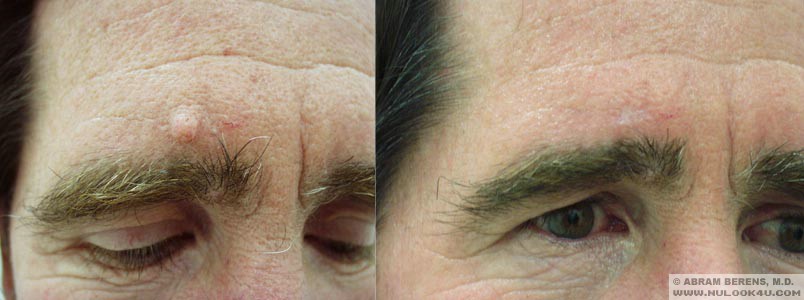
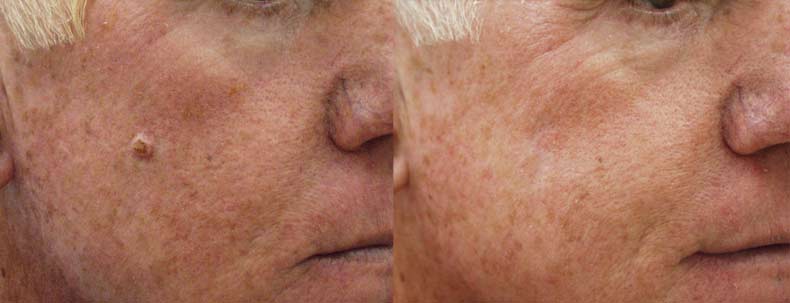
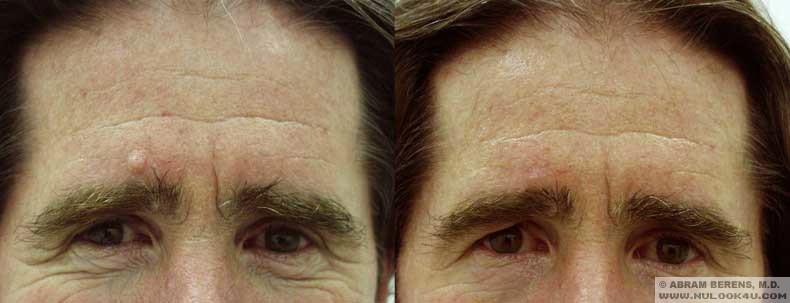
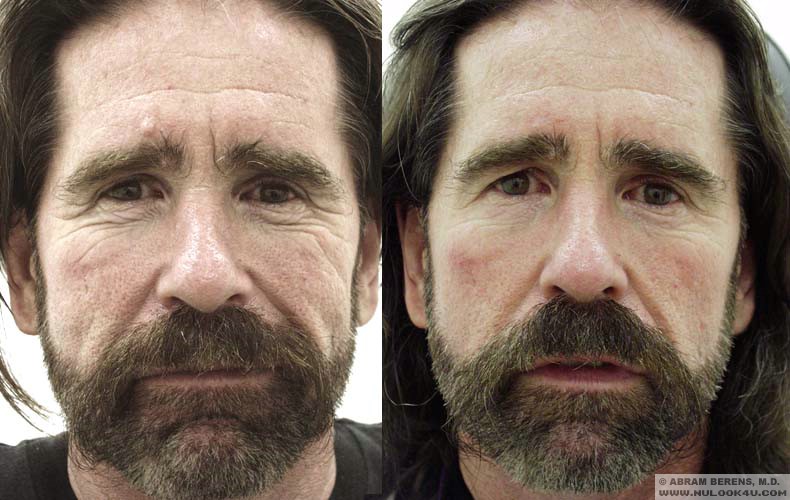
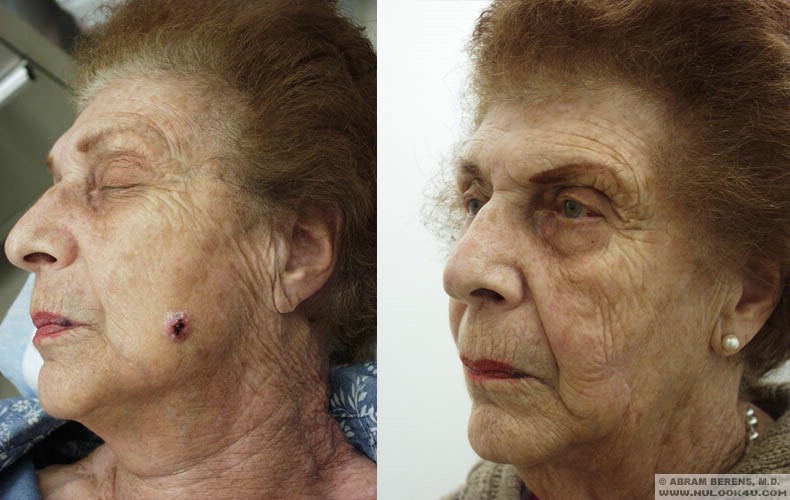
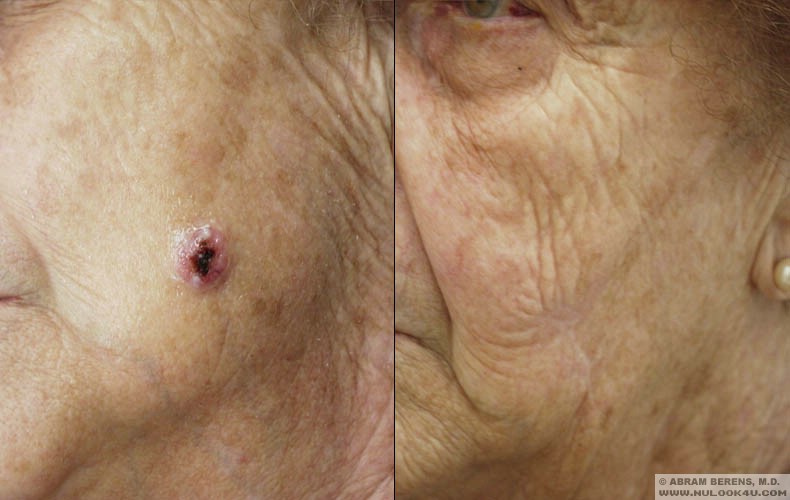
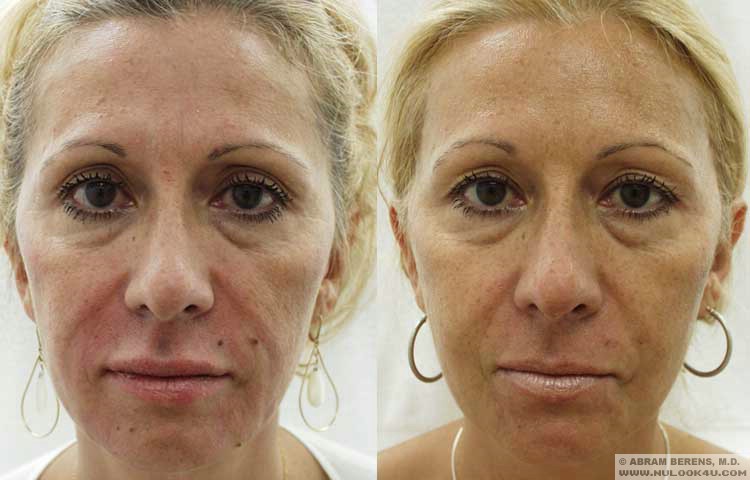
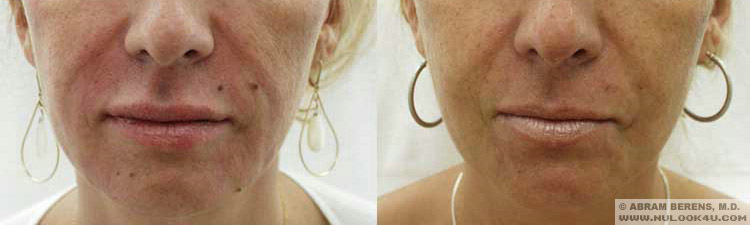
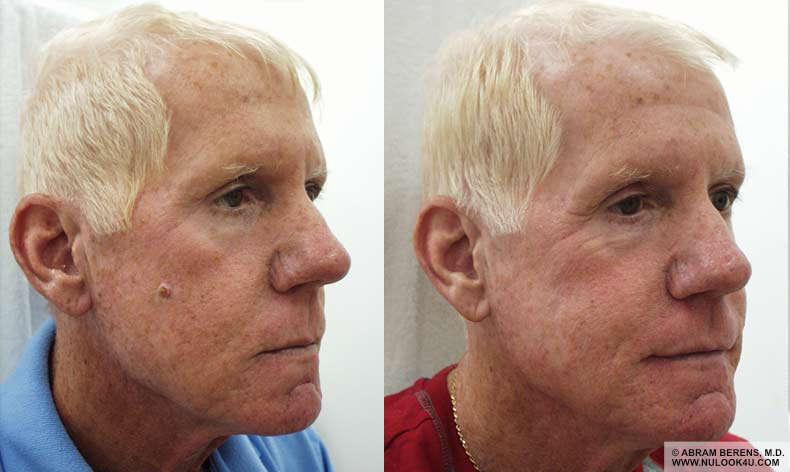
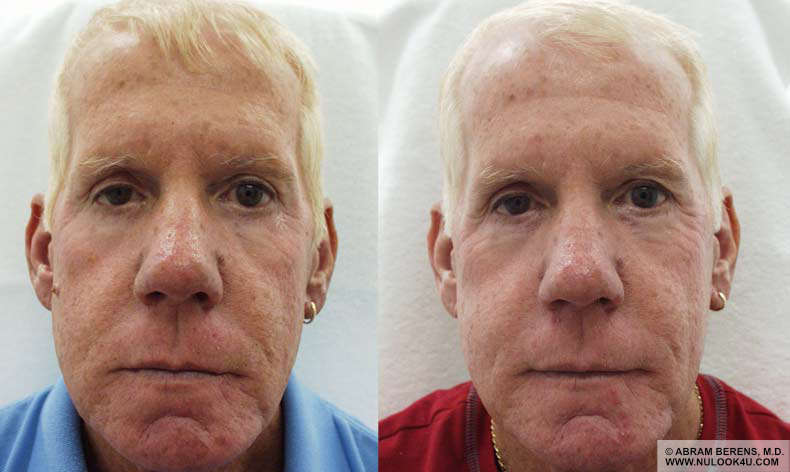
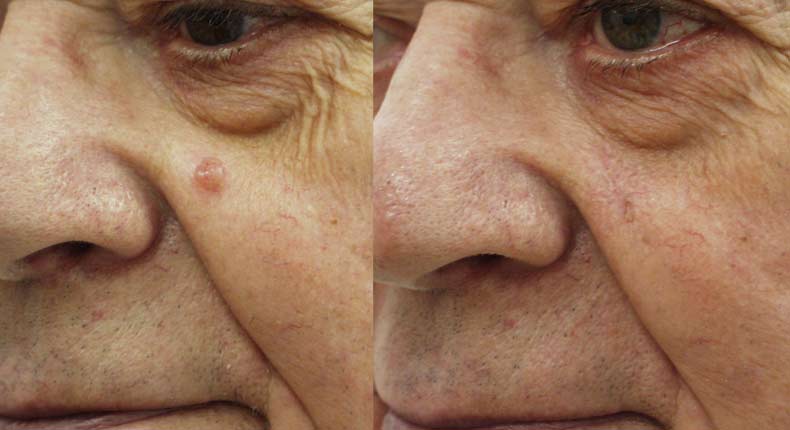
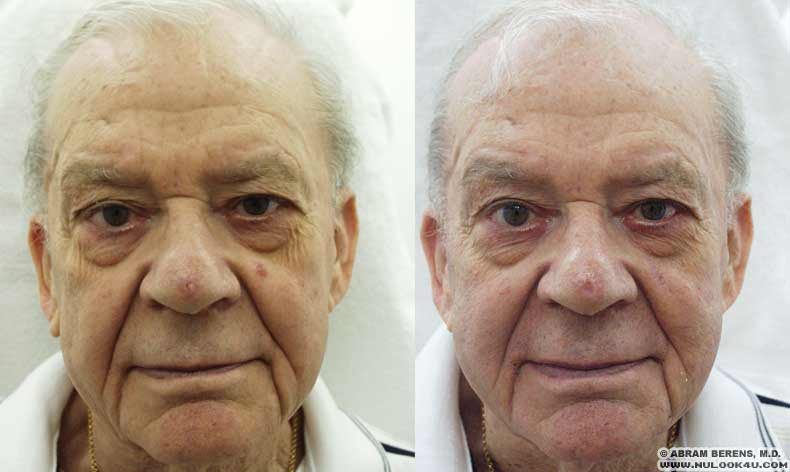
Before & After