Skin Cancer Surgery & Mole Removal
Physician-performed surgical excision and biopsy of suspicious skin lesions, moles, and confirmed skin cancers. Comprehensive care from diagnosis through treatment and follow-up with emphasis on optimal cosmetic outcomes.
All skin cancer surgeries at Berens MD – Concierge Healthcare & Wellness are personally performed by Dr. Berens with 35+ years of medical experience. This includes diagnosis, biopsy, surgical excision, and ongoing surveillance.
Skin cancer is the most common form of cancer in the United States, with over 5 million cases diagnosed annually. Early detection and treatment are crucial for optimal outcomes. Dr. Berens performs comprehensive skin examinations, biopsies of suspicious lesions, and surgical excision when necessary.
Treatment is individualized based on the type, size, location, and depth of the cancer. Dr. Berens emphasizes conservative surgical margins, meticulous technique, and optimal cosmetic outcomes when medically appropriate. All procedures are performed in-office under local anesthesia.
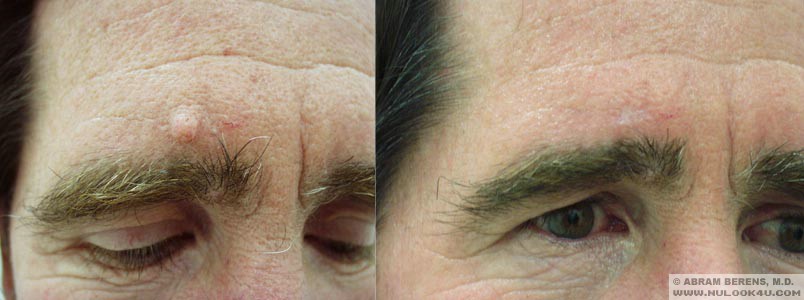
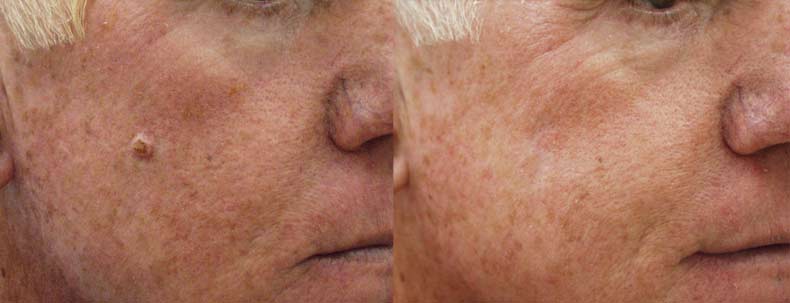
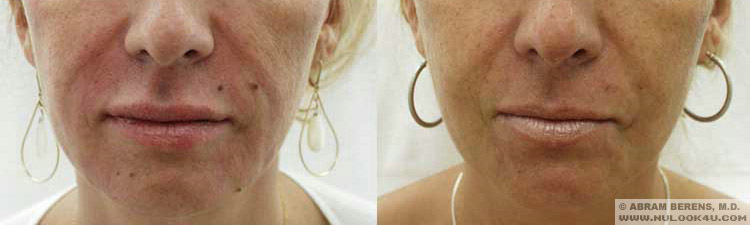
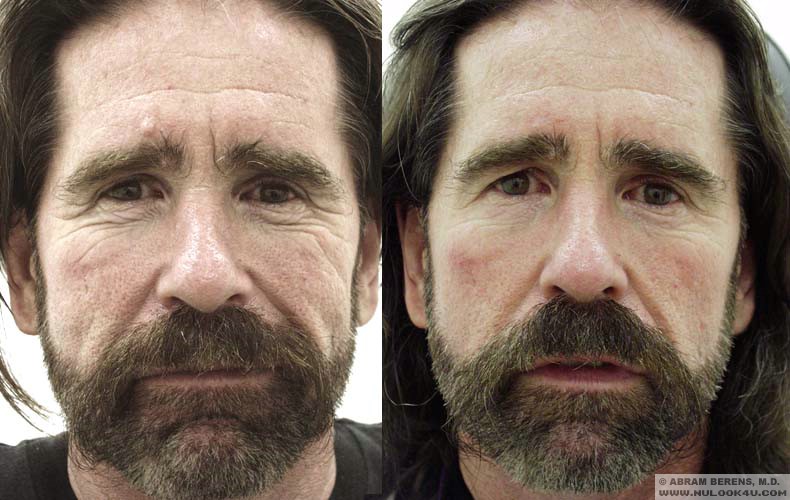
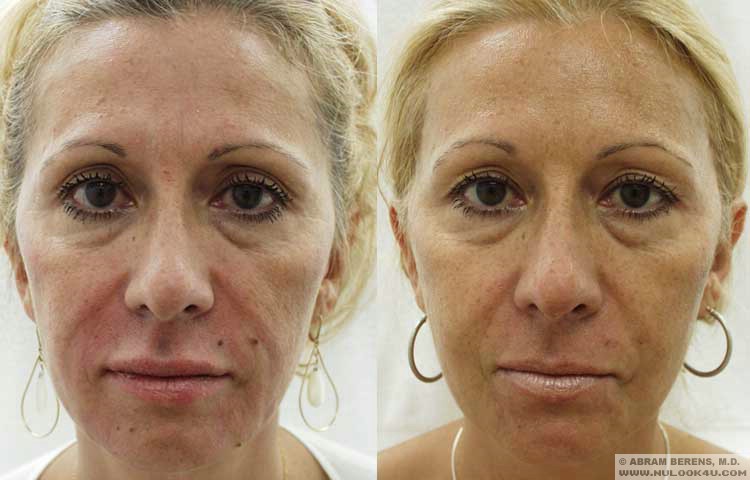
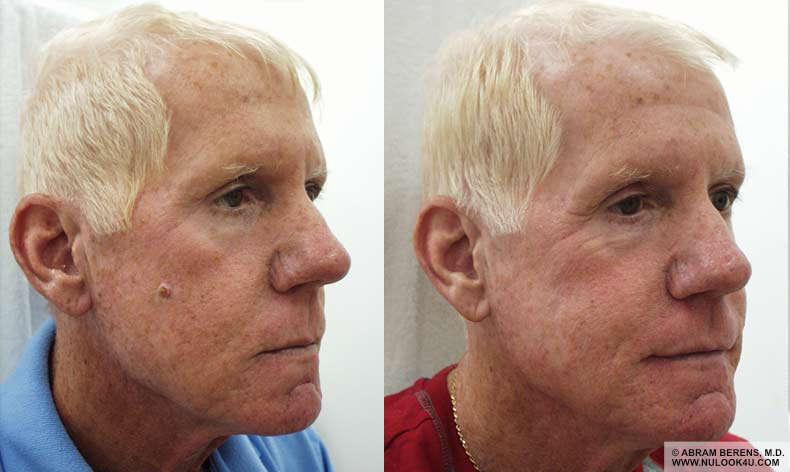
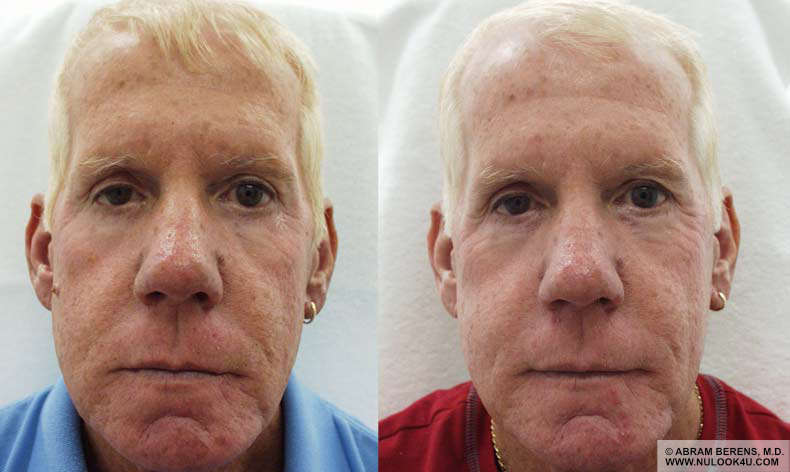
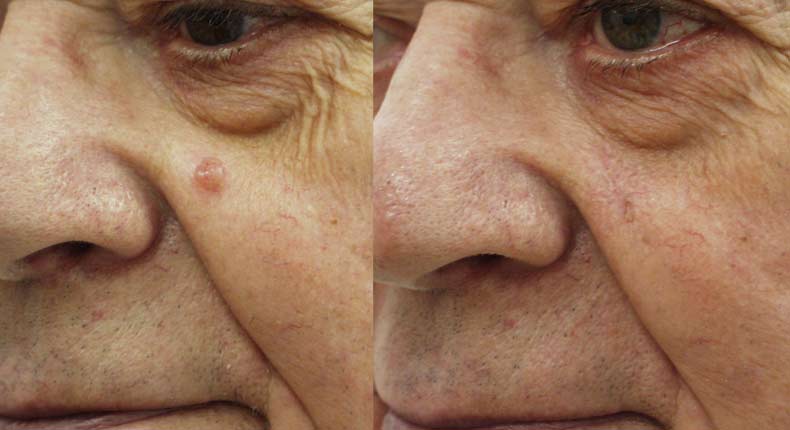
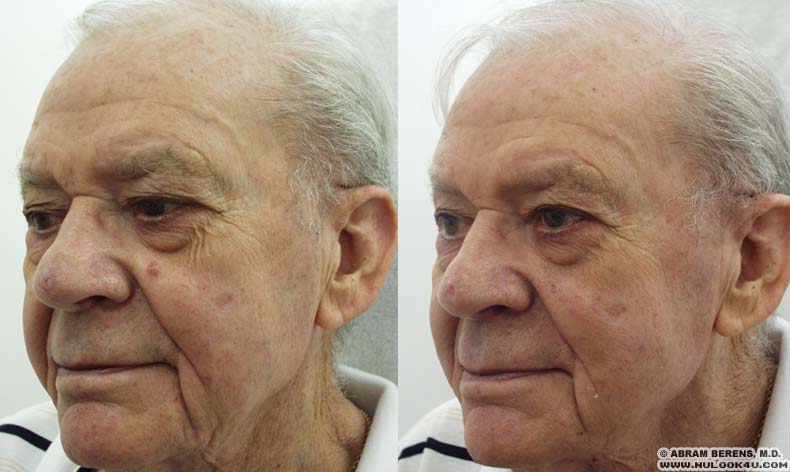
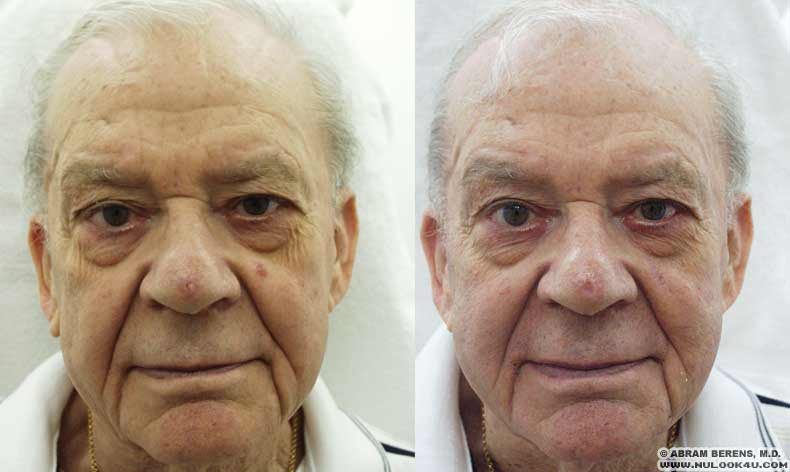
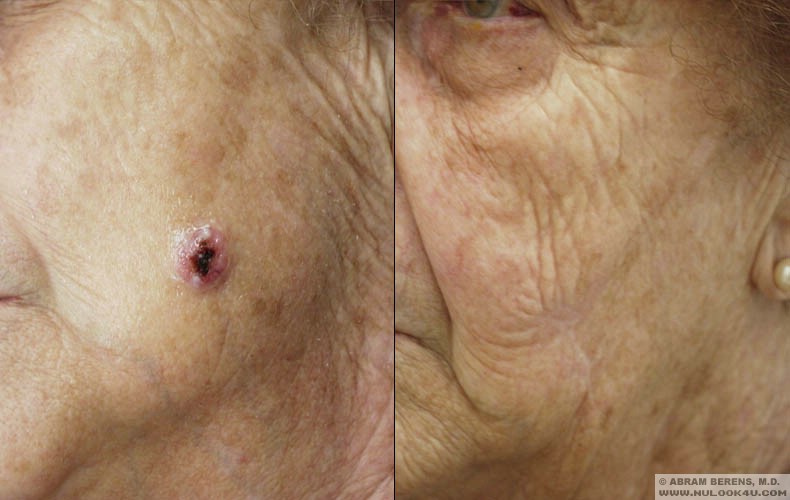
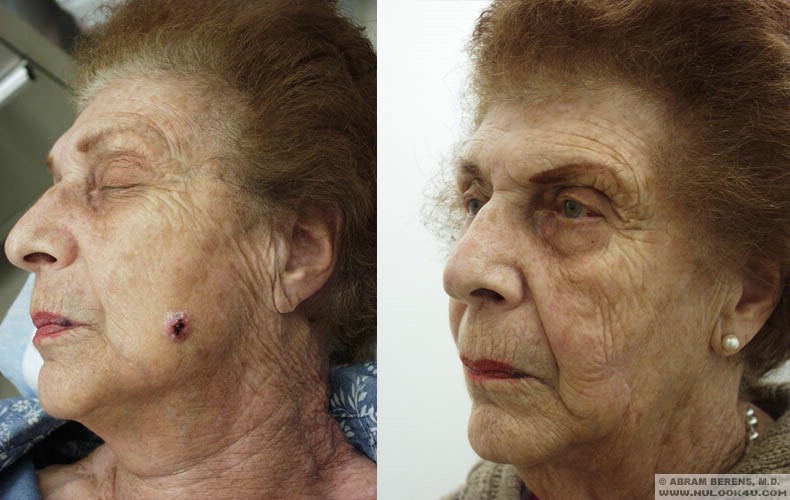
Skin Cancer Surgery & Mole Removal Results
Before and after surgical excision by Dr. Berens
Important: Individual results vary based on lesion type, size, location, patient healing characteristics, and surgical complexity. These images represent specific patient outcomes and do not guarantee similar results for all patients. All surgical procedures carry inherent risks including infection, bleeding, scarring, and the possibility of incomplete excision requiring additional surgery. Pathology results determine final diagnosis and treatment recommendations.
Image Disclosure: Some images displayed on this website are AI-generated and are used solely for illustrative purposes. No real patients are shown in AI-generated images. This approach is used to protect patient privacy and comply with applicable privacy standards, including HIPAA. Individual treatment results vary based on personal health factors and medical conditions. Outcomes shown or described are not guaranteed. All medical and aesthetic services are provided in accordance with Florida law and require an individualized consultation with a licensed healthcare provider.
Types of Skin Cancer & Lesions Treated
Comprehensive scar revision for multiple scar types
- Basal Cell Carcinoma (BCC)
The most common type of skin cancer, accounting for approximately 80% of all skin cancers. BCCs rarely metastasize but can be locally destructive if left untreated. They typically appear as pearly, translucent bumps or non-healing sores. Surgical excision offers excellent cure rates (95-99%) when margins are clear. Dr. Berens performs complete excision with appropriate margins based on lesion size and location.
- Squamous Cell Carcinoma (SCC)
The second most common skin cancer, comprising about 20% of cases. SCCs can metastasize if not treated promptly, particularly on high-risk areas (lips, ears, genitals) or in immunosuppressed patients. They often appear as scaly, red patches or wart-like growths. Surgical excision is the gold standard treatment. Dr. Berens ensures adequate margins and coordinates with surgical oncologists for high-risk cases.
- Melanoma
The most serious form of skin cancer, responsible for the majority of skin cancer deaths. Early detection is critical. Melanomas require wide excision with margins determined by tumor depth (Breslow thickness). Sentinel lymph node biopsy may be indicated for deeper lesions. Dr. Berens performs initial biopsy and coordinates care with surgical oncologists and dermatopathologists for comprehensive melanoma management.
- Actinic Keratosis (AK) & Precancerous Lesions
Precancerous lesions caused by chronic sun exposure. Approximately 10% of AKs progress to squamous cell carcinoma if untreated. They appear as rough, scaly patches on sun-exposed areas. Treatment options include cryotherapy (freezing), topical medications (5-FU, imiquimod), chemical peels, or excision. Dr. Berens creates individualized treatment plans based on lesion number, location, and patient preference.
Treatment Process
1. Evaluation
Dr. Berens examines the lesion using dermoscopy (magnified visualization) to assess features suggesting benignity or malignancy.
2. Biopsy
Suspicious lesions are biopsied under local anesthesia. Tissue is sent to dermatopathology. Results typically return within 7-10 days.
3. Excision
If cancer is confirmed, Dr. Berens performs surgical excision with appropriate margins. Procedure is done in-office under local anesthesia.
4. Follow-Up
Suture removal (typically 7-14 days). Pathology review. Ongoing skin cancer surveillance every 6-12 months.
Surgical Techniques & Procedures
Excisional Biopsy
Fractional CO2 laser, erbium laser, and pulsed dye laser to resurface skin, stimulate collagen production, reduce redness, and improve texture. Multiple sessions typically required.
Closure: Primary closure with sutures (absorbable or removable), resulting in a linear scar. Dr. Berens uses meticulous technique to minimize scarring, particularly on the face.
Shave Excision
Horizontal removal of raised lesions at the skin surface level. This technique is used for benign-appearing raised moles or lesions where full-thickness excision is not necessary.
Healing: Wound heals by secondary intention (natural healing) or may be cauterized. Results in a flat, typically round scar that fades over time.
Punch Biopsy
A circular blade (2-6mm diameter) is used to remove a full-thickness sample of skin. Used for diagnosis of small lesions or to sample a portion of larger lesions.
Closure: Small punches may heal without sutures. Larger punches are typically closed with 1-2 sutures.
Wide Local Excision (Melanoma)
For confirmed melanoma, wide margins are required based on tumor depth. Margins range from 0.5cm to 2cm depending on Breslow thickness. This ensures complete removal and reduces recurrence risk.
Complexity: May require complex closure techniques, skin flaps, or skin grafts. Dr. Berens coordinates with surgical specialists for complex cases.
Why Choose Dr. Berens for Skin Cancer Surgery
Physician-performed surgery (35+ years experience)
In-office procedures under local anesthesia
Emphasis on optimal cosmetic outcomes
Comprehensive pre- and post-operative care
Coordinated care with dermatopathologists
Same-day or next-day biopsy scheduling
Ongoing skin cancer surveillance
Concierge access to physician for concerns
Treatment in private, comfortable setting
Expertise in facial lesion excision
Meticulous surgical technique
Personalized treatment planning
Mole Removal: Medical & Cosmetic Indications
Mole removal is one of the most common dermatologic procedures performed by Dr. Berens. Moles (nevi) are benign growths of pigment-producing cells (melanocytes). While most moles are harmless, some require removal for medical or cosmetic reasons.
Medical Indications for Mole Removal:
- Atypical or dysplastic moles: Moles with irregular borders, color variation, or asymmetry require biopsy to rule out melanoma
- Changing moles: Any mole that changes in size, color, shape, or texture should be evaluated and potentially removed
- Symptomatic moles: Moles that bleed, itch, become painful, or repeatedly catch on clothing
- Family history of melanoma: Patients with familial melanoma may benefit from prophylactic removal of atypical moles
Cosmetic Indications for Mole Removal:
- Facial moles: Raised or pigmented moles on the face that affect appearance or self-confidence
- Raised moles: Elevated moles that interfere with shaving, makeup application, or cause irritation
- Multiple moles: Patients bothered by clusters of small moles in visible areas
Warning Signs: When to See Dr. Berens
The ABCDE Rule for Melanoma Detection:
A. Asymmetry: One half doesn’t match the other half
B. Border: Irregular, scalloped, or poorly defined edges
C. Color: Varied shades of brown, black, tan, red, white, or blue
D. Diameter: Larger than 6mm (pencil eraser), though melanomas can be smaller
E. Evolving: Changing in size, shape, color, elevation, or developing new symptoms
Other Warning Signs:
- A sore that doesn't heal within 4 weeks
- A spot or sore that continues to itch, hurt, crust, scab, or bleed
- A mole that changes in any way (size, color, texture, border)
- An area that becomes raised or develops a lump within it
- A new growth or spot that looks different from your other moles
Ideal Candidates for Scar Revision
Patients with suspicious, changing, or new skin lesions
Individuals with confirmed skin cancer diagnosis
Those with a history of skin cancer requiring surveillance
Patients with atypical or dysplastic moles
Individuals with cosmetically bothersome moles
Those with family history of melanoma
Patients with high cumulative sun exposure
Individuals with fair skin, light eyes, or red/blonde hair (higher risk)
Those who have used tanning beds or had blistering sunburns
Patients seeking physician-performed excision with cosmetic consideration
Frequently Asked Questions
Will I have a scar after skin cancer surgery?
All surgical procedures result in scarring. However, Dr. Berens uses meticulous surgical technique, proper wound closure, and strategic incision placement to minimize scarring and optimize cosmetic outcomes. Facial scars often heal remarkably well due to excellent blood supply. Scar appearance continues to improve over 6-12 months as the scar matures and fades. Scar revision techniques can be employed if needed.
Is the procedure painful?
All procedures are performed under local anesthesia (lidocaine with epinephrine). You will feel a brief pinch during the initial injection, then the area becomes numb. During surgery, you may feel pressure or tugging but should not feel pain. Post-operative discomfort is typically minimal and well-controlled with over-the-counter pain medication (acetaminophen or ibuprofen).
What is the recovery time?
Recovery depends on the size, depth, and location of the excision. Most patients return to normal activities (except strenuous exercise) within 1-2 days. You’ll need to keep the area clean and dry, avoid submerging in water (pools, ocean), and protect from sun exposure. Sutures are typically removed 7-14 days post-surgery depending on location (face: 5-7 days; body: 10-14 days).
Will I need additional treatment if cancer is found?
If pathology shows clear margins (cancer completely removed with surrounding normal tissue), surgery is often curative and no additional treatment is needed. If margins are positive (cancer cells at the edge), re-excision may be necessary. For advanced cancers or melanoma, referral to surgical oncology, radiation oncology, or medical oncology may be indicated. Dr. Berens will thoroughly discuss your pathology results and coordinate any necessary specialist care.
How often should I be checked for skin cancer?
Patients with a history of skin cancer should have comprehensive full-body skin examinations every 6-12 months. Those with multiple skin cancers or melanoma may require more frequent surveillance (every 3-6 months). Dr. Berens provides ongoing skin cancer surveillance as part of concierge care, and patients are encouraged to perform monthly self-examinations at home. Early detection dramatically improves outcomes.
What's the difference between Mohs surgery and standard excision?
Mohs micrographic surgery is a specialized technique where the surgeon removes thin layers of tissue and examines them microscopically in real-time until clear margins are achieved. It’s indicated for high-risk skin cancers (face, ears, nose, eyelids), recurrent cancers, or large tumors. Standard excision removes the lesion with predetermined margins based on clinical assessment. Dr. Berens performs standard excision and coordinates with Mohs surgeons when this specialized technique is indicated.
Can moles grow back after removal?
Complete excision with full-thickness removal typically prevents mole recurrence. However, if some mole cells remain deep in the dermis, partial regrowth can occasionally occur. Shave excisions (removal at skin surface) have a slightly higher recurrence rate compared to full excision. If a removed mole recurs and pathology was previously benign, it’s typically not concerning. However, recurrence after atypical or melanoma excision requires immediate evaluation.
Before & After